
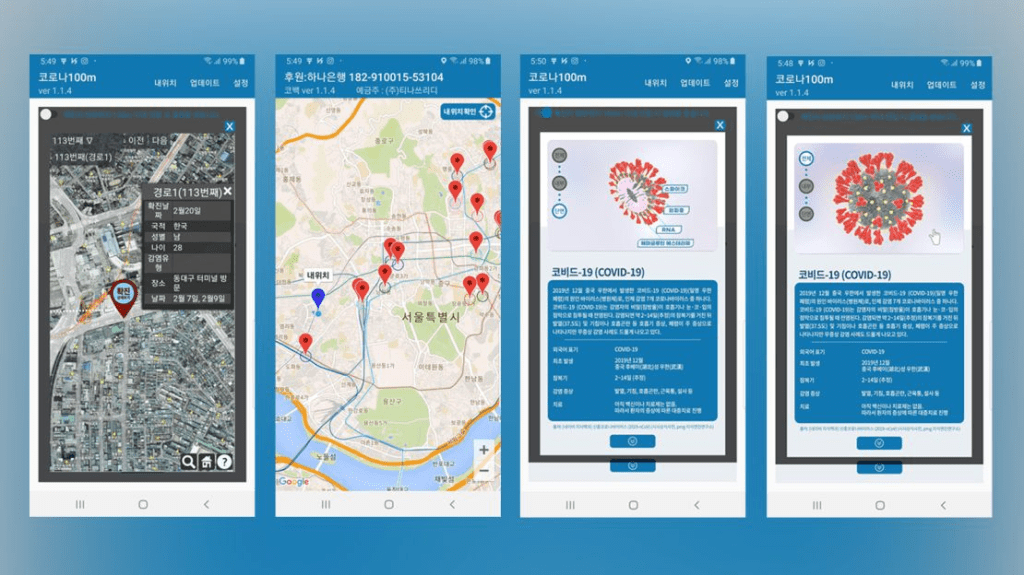
South Korea, despite its reputation as a global tech leader with a vibrant online culture, maintains some of the most stringent internet regulations among democratic nations. Under laws aimed at national security, defamation, and public order, individuals have faced legal consequences for online speech—from satirical retweets to critical blog posts.
The following cases shed light on how digital expression in South Korea can cross legal boundaries, sparking ongoing debates over the balance between free speech and social responsibility.

1. Park Jung-geun: For Retweeting North Korean Content
In 2012, photographer and activist Park Jung-geun received a suspended 10-month prison sentence for violating the National Security Law by retweeting posts from North Korea’s official Twitter account. Park contended that his retweets were satirical, a view supported by Amnesty International, which criticized the arrest. He was eventually acquitted, but only after international pressure from rights groups heaped as they voiced concerns over Park’s case.
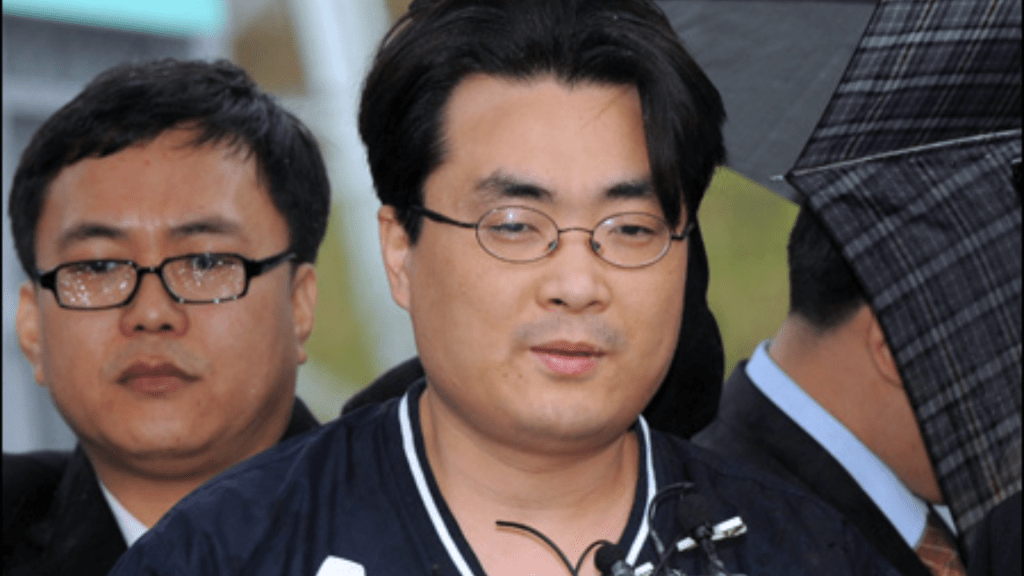
2. Park Dae-sung (“Minerva”): For Economic Blogging
In 2009, a blogger called “Minerva” had successfully predicted major events in the Korean economy and was quick to provide solutions for both the government and households. Among the famous predictions Minerva has made: the collapse of Lehman Brothers and its potential consequences, and the sharp decline of South Korean currency value against the U.S. dollar at specified time points.
Prosecutors arrested a man they claimed to be Minerva, Park Dae-sung, and charged him with the crime of electronically spreading false rumors that damage the public good. He faced up to 18 months in prison but was acquitted after the court found no intent to deceive.
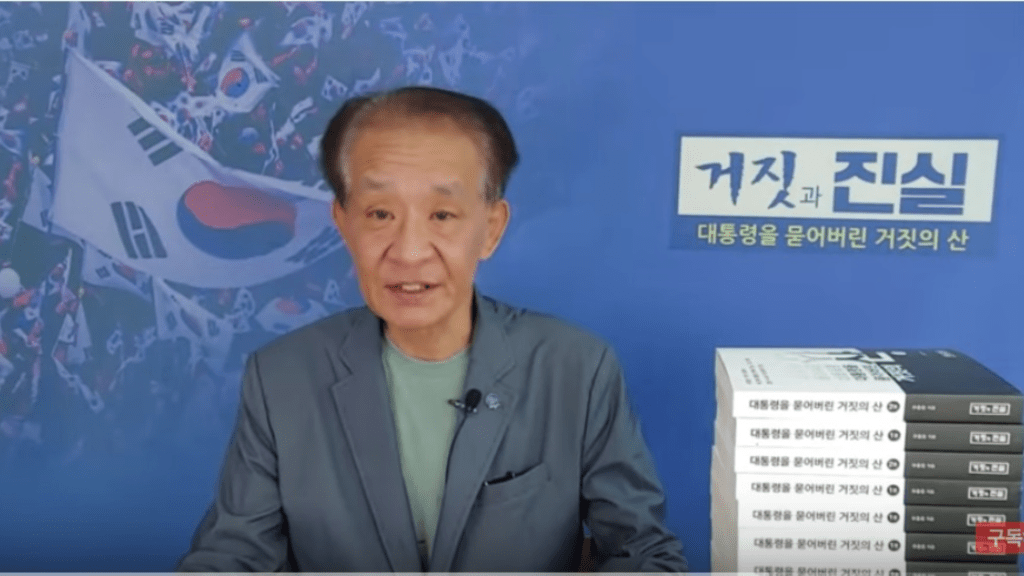
3. Woo Jong-chang: For Defamation of a Public Official
In July 2020, conservative journalist-turned-YouTuber Woo Jong-chang was sentenced to eight months in prison for defaming former Justice Minister Cho Kuk by circulating information suggesting influence peddling. The sentence was later reduced to a six-month suspended term with one-year probation.

4. Defamation Cases Involving First Lady Kim Keon Hee
In 2022, several individuals faced legal action for online comments about First Lady Kim Keon Hee. In July, a man in his 60s was prosecuted for repeatedly posting derogatory remarks about her. In March, she sought damages against a reporter and a news outlet for publishing a recorded conversation where Kim Keon Hee accepted a luxury Dior handbag from a pastor, raising concerns about potential ethics violations and improper gifts.

5. Choi Byung-Sung: For Criticizing Government Waste
In 2009, blogger Choi Byung-sung faced censorship from the Korea Communications Standards Commission (KCSC) for using the term “waste cement” in a blog post highlighting the environmental risks of Korean cement production.
While “waste cement” had previously appeared in news coverage, Choi’s posts were flagged as defamatory under Article 44-7 of the Information and Communication Network Act. The KCSC ordered their removal, claiming reputational harm to the cement industry. However, the courts later sided with Choi, ruling the censorship unjustified.
These cases show how easily online speech in South Korea can land someone in legal trouble. Vague laws and overzealous enforcement make the internet a risky space for dissent, criticism, or even satire. As long as that’s true, press freedom online will stay under threat.
 MunhwaMetrics